Understanding Different Types of Door Locks: A Locksmith’s Guide
Understanding the different types of door locks can help homeowners and business owners choose the right security for each opening. The right lock depends on the type of door, how the property is used, and who needs access. Fortress Lock & Safe explains the most common residential and commercial door locks, where each one works best, and what property owners should consider before repairing, rekeying, or replacing their hardware.
Types of Door Locks: Deadbolts for Exterior Doors
A deadbolt is designed to provide more resistance against forced entry than a standard spring-latch lock. Single-cylinder deadbolts use a key outside and a thumb turn inside, making them a practical choice for many homes. Double-cylinder deadbolts require a key on both sides, but they may not be appropriate for every door because they can affect emergency egress. The strength of any deadbolt also depends on proper installation, a secure strike plate, and a solid door and frame.
Knob and Lever Locks: Everyday Door Control
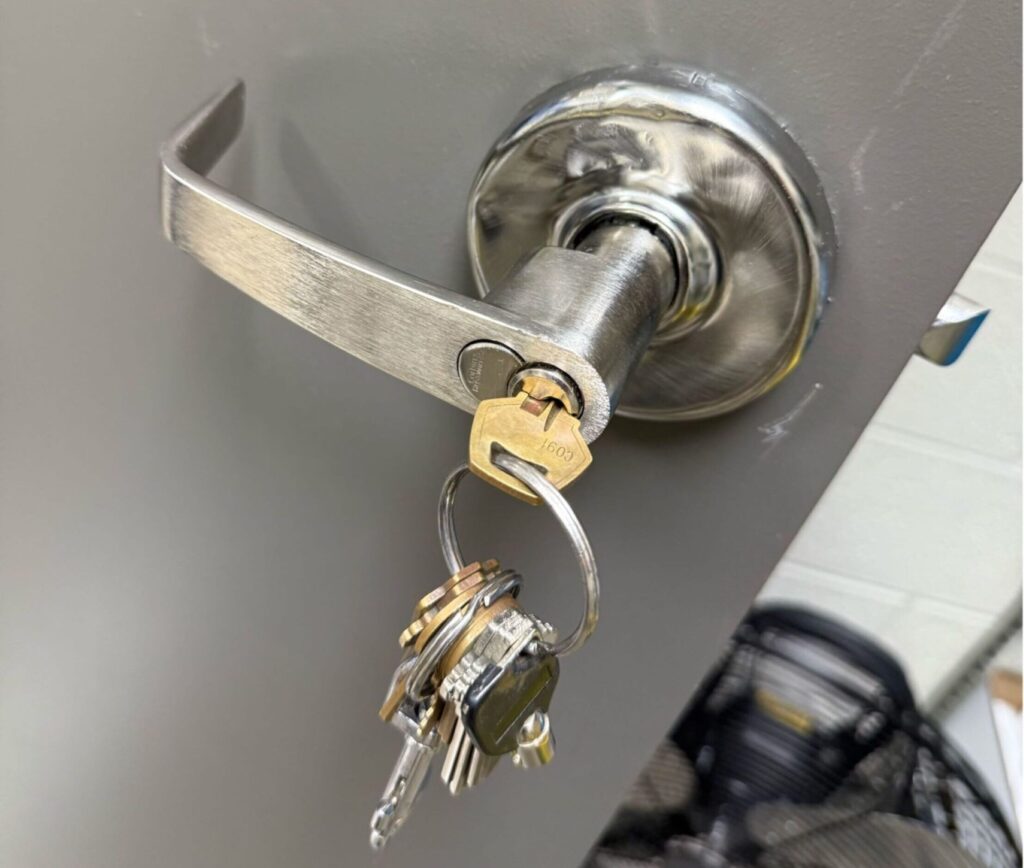
Keyed knobs and lever locks use a spring latch to hold the door closed. They are available in entry, privacy, passage, and storeroom functions, depending on how the door needs to operate. Lever handles are often easier to operate and are common in commercial buildings, while knobs remain common in homes. On an exterior residential door, a keyed knob or lever is typically paired with a properly installed deadbolt for additional security. When comparing door hardware, ANSI/BHMA product grades help identify tested performance levels, with Grade 1 representing the highest grade.
Keypad and Smart Locks: Convenient Keyless Access
Keypad locks allow authorized users to unlock a door with a code instead of carrying a key. Some electronic and smart locks also provide app control, temporary access codes, activity records, or integration with other systems. These features can be useful for homes, rental properties, offices, and buildings with multiple authorized users. The lock still needs to match the door and be installed correctly, and battery-powered models require routine battery replacement to remain dependable.
Mortise Locks: Durable, Serviceable Door Hardware
A mortise lock is installed inside a pocket cut into the edge of the door. This type of hardware is common on commercial doors and can also be found in older or high-end homes. The lock case may combine the latch, deadbolt, and operating functions into one serviceable assembly. Mortise locks are durable when properly installed, and many problems can be repaired without replacing the entire lock, depending on the condition and availability of compatible parts.
Commercial Lock Cylinders and Interchangeable Cores
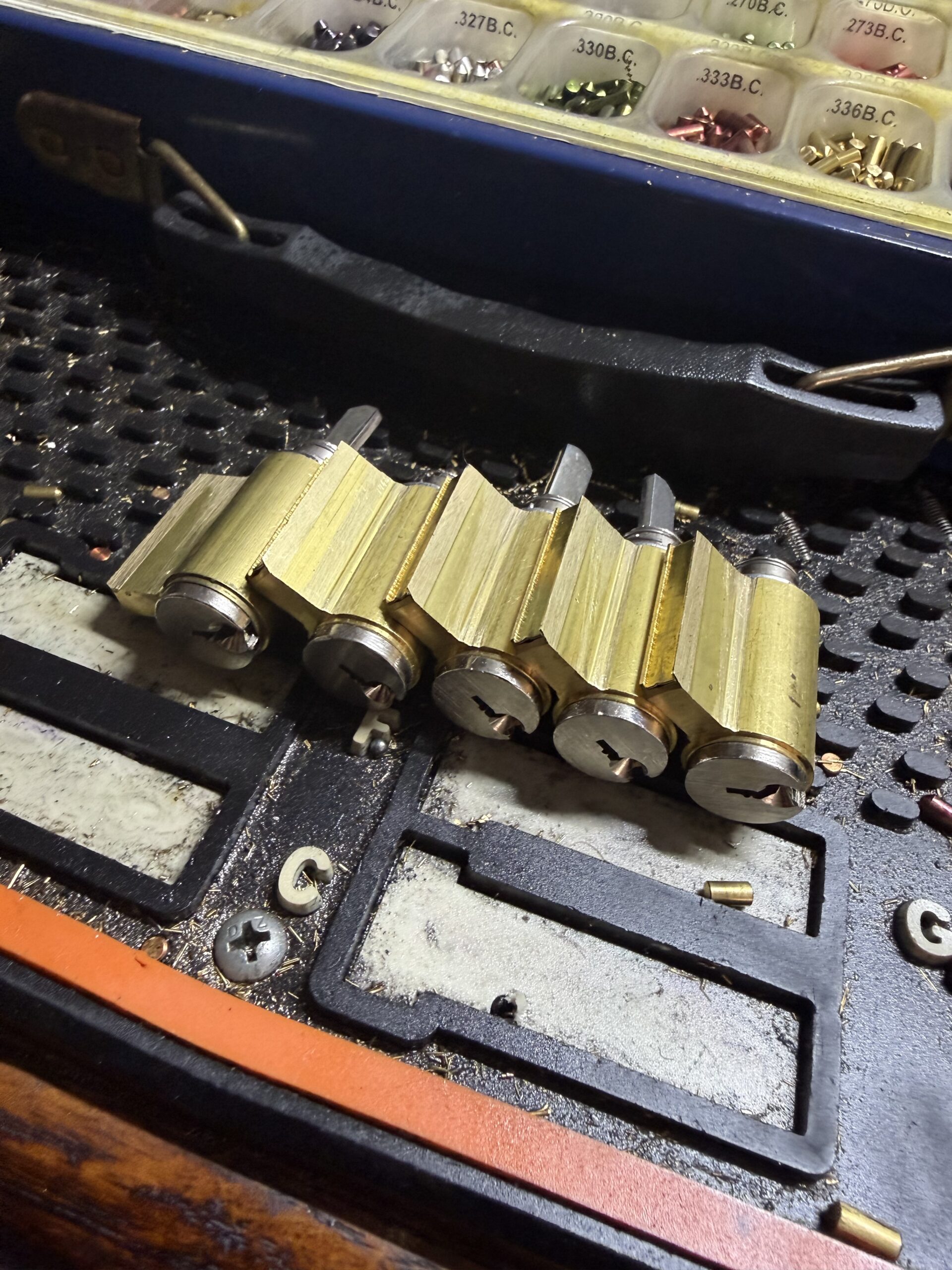
On many commercial doors, the cylinder that accepts the key is a separate component from the rest of the locking hardware. Rim cylinders are commonly used with certain exit devices and door hardware, while mortise cylinders thread into compatible lock bodies and control units. Interchangeable-core systems allow an authorized locksmith or property manager to replace the keyed core without replacing the complete lock. The correct cylinder must match the existing hardware, keyway, door function, and level of key control required.
Master Key Systems and Restricted Keyways
A master key system allows different keys to provide different levels of access within the same property. An individual change key may operate one door, while a master key can operate a planned group of doors. This can simplify access for business owners, managers, maintenance personnel, and property-management teams. A restricted keyway can provide greater control over who is authorized to obtain duplicate keys. The system should be planned carefully so it remains organized, secure, and expandable as the property’s needs change.
How to Choose the Right Door Lock
The best lock is one that matches the door, the property’s security needs, and the way authorized users need to enter. Consider whether the door is interior or exterior, residential or commercial, how frequently it is used, and whether access must be changed when employees or tenants leave. The door, frame, hinges, strike, and closer should also be evaluated because even quality lock hardware cannot perform properly on a damaged or misaligned opening. Commercial doors may also require hardware that supports applicable egress, fire, and accessibility requirements.
Which Types of Door Locks Should You Rekey, Repair, or Replace?
Rekeying changes which key operates an existing lock and is often appropriate when the hardware is still in good condition but access needs to change. Repair may be the better option when a quality lock has worn parts, loose components, or problems caused by door misalignment. Replacement is generally considered when the lock is badly damaged, unreliable, incompatible with the door, or no longer meets the property’s access and security needs. A professional evaluation can help avoid replacing serviceable hardware unnecessarily.
Choosing Between Types of Door Locks in Broken Arrow and Tulsa
Fortress Lock & Safe provides licensed and insured mobile locksmith service for homes, businesses, and property managers in Broken Arrow, Tulsa, Bixby, Jenks, Coweta, Owasso, and surrounding communities. With more than 25 years of locksmith experience, we can evaluate the types of door locks and existing hardware on your property, explain whether repair, rekeying, or replacement is appropriate, and recommend a lock that fits the way your property is used. Call 918-853-1373 or request service online.